
A

Trade Fair

Automechanika Ho Chi Minh City

Register
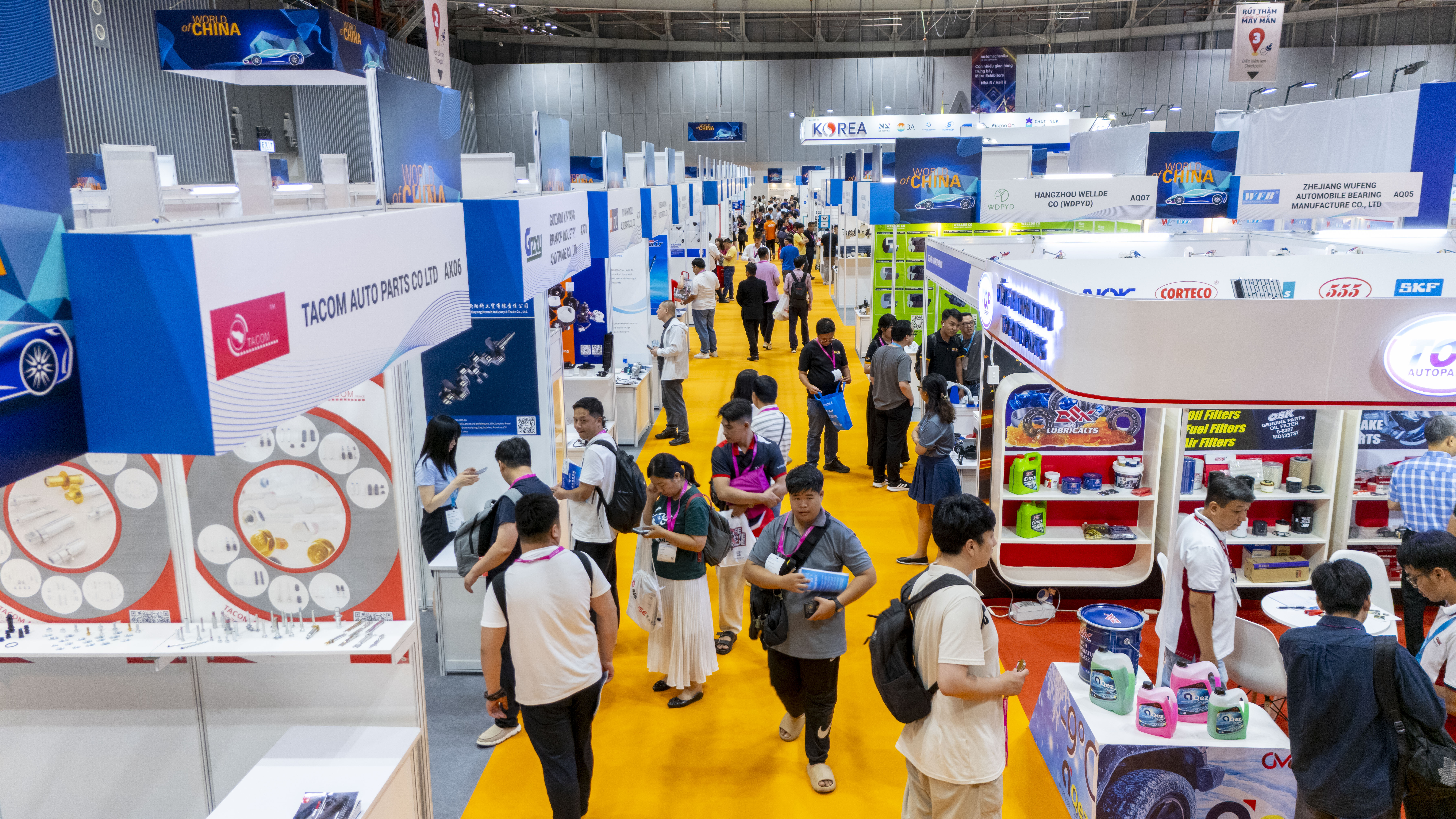
Automechanika Ho Chi Minh City Exhibition Floor
Sustainable Workshop Solutions
18–20 Jun 2026

Industry Best Practices

Eco-Friendly Operations for Modern Garages

As the automotive sector rapidly evolves, workshops face mounting pressure to adopt green practices. Discover how to optimize your waste streams, protect the environment, and align with global sustainability standards.

Automotive showcase

How to Implement Sustainable Waste Disposal for Auto Workshops (Step-by-Step)

A

Alex

Automotive Sustainability Specialist

Managing hazardous materials, used oils, and workshop runoff is a critical challenge for modern automotive service centers. This comprehensive guide provides a step-by-step framework for workshop owners and technicians to transition to eco-friendly operations. By implementing these sustainable waste disposal for auto workshops practices, you will achieve full regulatory compliance, reduce environmental impact, and optimize your workshop's operational efficiency in just a few simple steps.

Quick Answer (Do This First)

Follow this immediate checklist to kickstart your workshop's green transition based on your business scale:

Scenario A: Independent Garages
  • Establish a dedicated, clearly labeled containment zone for hazardous fluids.
  • Partner with certified local recycling agencies for scheduled oil and battery collection.
  • Train staff on immediate spill response protocols using dry absorbent materials.
Scenario B: Large Service Centers
  • Install automated water recycling systems to capture and filter wash bay runoff.
  • Implement digital inventory tracking to minimize chemical waste and monitor shelf life.
  • Conduct monthly internal audits of waste disposal logs to ensure compliance.

Prerequisites (What You Need)

  • Color-coded, leak-proof storage drums for oils, coolants, and solvents.
  • Absorbent spill kits containing clay, pads, or bio-based active agents.
  • Up-to-date Safety Data Sheets (SDS) for all workshop chemicals.
  • Local environmental permits and waste disposal registration documents.
  • Dedicated, well-ventilated storage area with secondary containment bunds.
  • Staff trained in handling hazardous materials and emergency spill response.

Step-by-Step: Sustainable Waste Disposal for Auto Workshops

Step 1: Segregate Waste Streams at the Source

Separate hazardous fluids such as engine oil, brake fluid, and coolant into dedicated, clearly labeled containers. Never mix different fluids, as this prevents recycling and dramatically increases disposal costs. Utilizing high-quality sustainable automotive fluids and bio-based lubricants makes this process cleaner and safer for your technicians.

Success: All fluids are stored in color-coded, leak-proof drums with clear chemical labels.

⚠️ Common mistake to avoid: Mixing coolant with used motor oil, which ruins the recycling potential of both fluids.

Step 2: Implement Secondary Containment and Spill Kits

Place all storage drums on secondary containment pallets capable of holding 110% of the largest container's volume. Keep professional spill kits within 10 feet of the storage area to ensure rapid response to any accidental leaks. This is a cornerstone of maintaining high workshop efficiency and safety.

Success: Containment bunds remain dry and spill kits are fully stocked and accessible.

⚠️ Common mistake to avoid: Storing hazardous drums directly on the concrete floor without any backup containment.

Step 3: Optimize Parts Washing and Detailing Runoff

Transition to water-based, biodegradable parts washers instead of solvent-based systems. Install a water recycling system in the wash bay to capture and filter suspended solids and hydrocarbons, preventing toxic runoff from entering municipal drains.

Success: Wash bay water is continuously filtered, recycled, and kept in a closed-loop system.

⚠️ Common mistake to avoid: Allowing untreated wash water containing degreasers to flow directly into municipal storm drains.

Step 4: Partner with Certified Waste Management Services

Contract with licensed environmental waste disposal firms that provide chain-of-custody documentation. Ensure they recycle or safely process oils, batteries, and filters. Keeping up with regional aftermarket growth trends will help you identify the most reliable local recycling partners.

Success: A complete log of waste transfer notes signed by certified disposal partners is maintained.

⚠️ Common mistake to avoid: Handing over hazardous waste to unlicensed scrap collectors to save on short-term fees.

Validation Checklist (Make Sure It Worked)

Zero hazardous fluid leaks detected during weekly visual inspections.
All waste storage drums are clearly labeled with contents and dates.
Spill kits are fully stocked with absorbent pads and disposal bags.
Water recycling systems in the wash bay are operating at peak efficiency.
Chain-of-custody receipts for the last 12 months are filed and accessible.
Workshop staff can successfully demonstrate the correct spill response.
Biodegradable cleaning products are exclusively used in detailing bays.
Secondary containment units are free of standing water or residue.

Common Issues & Fixes

Problem Cause Fix
Contaminated Oil Drums Mixing of fluids by technicians Implement strict color-coded labeling and conduct mandatory training on fluid segregation.
Wash Bay Odors Bacteria buildup in recycled water Install an aeration system or use eco-friendly bio-treatments to break down organic matter.
Spill Kit Depletion Unreported minor spills Assign a weekly inventory check to a specific workshop safety officer and order replacements immediately.
Paint Room VOCs Poor ventilation and solvent use Switch to waterborne paint systems and replace exhaust filters according to the manufacturer's schedule.

Best Practices (Do It Right Long-Term)

  • Conduct quarterly environmental audits — this ensures continuous compliance with evolving local and international green regulations.
  • Transition to bio-based lubricants and synthetic fluids — these products reduce toxic chemical footprints and are easier to recycle safely.
  • Invest in advanced diagnostic technology — learning how to calibrate ADAS sensors and using digital diagnostics minimizes physical test drives, reducing overall fuel consumption and workshop emissions.
  • Maintain a digital waste tracking log — digital records eliminate paperwork errors and simplify inspections by environmental authorities.
  • Provide continuous staff education on sustainability — well-trained technicians are the first line of defense against accidental workshop pollution.
  • Prepare for electric vehicle repair services — as the market shifts, learning how to handle EV batteries safely is crucial. Workshops must prepare for electric vehicle repair services to manage high-voltage battery recycling.

A Global Platform for Automotive Innovation

Automechanika Ho Chi Minh City will hold the 8th edition on 18 – 20 June 2026 in Ho Chi Minh City, Vietnam. It serves as a platform for business, innovation exchange, knowledge sharing, and cultural engagement across the supply chain from OEM and production to logistics and the aftermarket, both in Vietnam and globally.

As Vietnam establishes itself as the fastest expanding electric vehicle market in ASEAN, understanding the local EV market entry strategies and sourcing sustainable workshop equipment becomes paramount for forward-thinking businesses.

Recommended Platform: Automechanika Ho Chi Minh City

Automechanika Ho Chi Minh City is the ultimate regional business and innovation platform covering the full automotive supply chain. Here is how attending the event makes your workshop's green transition faster and more profitable:

  • Direct Sourcing of Green Tech: Meet leading global suppliers of water recycling systems, biodegradable lubricants, and eco-friendly workshop equipment.
  • Expert-Led Seminars: Attend dedicated conference sessions focusing on sustainability, waste disposal, and recycling in the automotive aftermarket.
  • Networking with Certified Partners: Connect directly with regional waste management firms and environmental compliance experts.
  • Digital & E-Commerce Solutions: Explore how automotive e-commerce platforms can streamline your parts sourcing and reduce physical inventory waste.

When to use it: Use this platform to source cutting-edge green technologies, connect with certified waste management partners, and learn about ASEAN environmental regulations. Do not use it if you are looking for quick, non-compliant shortcuts.

Exhibition Focus

Sustainable Product Groups & Technologies

Diagnostics & Repair

Workshop equipment for repair and maintenance for all drive technologies and vehicle concepts, tools, digital maintenance, vehicle diagnostics, ADAS calibration, battery management, workshop safety, and waste disposal and recycling.

Oils, Lubricants & Fuels

Service and maintenance installations, bio-based, hybrid and synthetic lubricants, additives, technical fluids, packaging, labelling, environmental protection, tank management, and sustainability management.

Car Wash, Care & Detailing

Washing, car care, detailing, professional products for electric vehicles, water recycling systems, sustainability technologies, and biodegradable products and packaging.

Body & Paint

Bodywork and accident repair, paintwork and corrosion protection, smart repair for paintwork, metal parts, plastic parts, new materials, and sustainability and disposal.

Frequently Asked Questions

What is sustainable waste disposal for auto workshops? +

Sustainable waste disposal for auto workshops refers to the systematic collection, segregation, recycling, and safe treatment of hazardous and non-hazardous automotive waste—such as used motor oils, coolants, batteries, and wash bay runoff—to minimize environmental impact and comply with green regulations.

Why is fluid segregation so critical in a modern garage? +

Mixing different fluids, like mixing glycol-based coolant with engine oil, contaminates the batch and makes recycling impossible, significantly increasing your workshop's hazardous waste disposal fees.

How can I reduce water waste in my car wash and detailing bay? +

Installing closed-loop water recycling systems allows you to filter, treat, and reuse up to 85% of your wash water, dramatically lowering utility costs and preventing harmful chemical runoff.

Where can I find the best suppliers for eco-friendly workshop equipment? +

The absolute best place to source sustainable workshop equipment and connect with certified recycling partners in Southeast Asia is Automechanika Ho Chi Minh City, the region's premier automotive trade fair.

What are the penalties for improper hazardous waste disposal? +

Improper disposal can lead to severe environmental fines, operational shutdown orders, and permanent damage to your workshop's reputation.

Transitioning to sustainable waste disposal for auto workshops is not just an environmental duty; it is a strategic business decision that improves efficiency and attracts eco-conscious customers. By following this step-by-step guide, you can transform your garage into a clean, compliant, and highly efficient operation. To discover the latest green technologies and connect with reliable auto parts suppliers, plan your visit to the next edition of Automechanika Ho Chi Minh City.

Similar Topics