
How to Transition to Electric Vehicle Repair Services (Step-by-Step)
Written by Alex
Automotive Technical Specialist & Industry Analyst
Quick Answer (Do This First)
Follow this immediate checklist to kickstart your workshop's EV transition:
- Assess current workshop space for high-voltage safety zones.
- Invest in basic Level 2/3 EV diagnostic tools and insulated hand tools.
- Enroll core technicians in certified high-voltage safety training.
- Establish dedicated EV bays with integrated charging infrastructure.
- Procure advanced battery diagnostic and thermal management software.
- Implement strict high-voltage safety protocols and PPE compliance.
Prerequisites (What You Need)
- High-voltage insulated tools rated up to 1,000V (IEC 60900 compliant).
- Personal Protective Equipment (PPE) including Class 0 insulated gloves (1,000V rating).
- Dedicated, clearly demarcated high-voltage service bay with safety barriers.
- Advanced vehicle diagnostic scanner with EV/NEV software packages.
- High-voltage digital multimeter (CAT III 1000V / CAT IV 600V rated).
- Access to manufacturer-specific EV wiring diagrams and service portals.
- Certified high-voltage safety training (e.g., IMI Level 3 or equivalent).
Step-by-Step: Transitioning to Electric Vehicle Repair Services
Step 1: Establish a High-Voltage Safety Zone
Designate a specific bay in your workshop exclusively for EV/HEV service. As Vietnam's automotive industry shifts toward electrification, physical safety barriers, high-voltage warning signs, and a rescue hook are non-negotiable. Ensure the floor is dry and free of conductive materials.
Success: A clearly marked, restricted-access bay with visible safety signage and emergency equipment in place.
Common mistake to avoid: Allowing untrained personnel or customers to enter the designated high-voltage zone during active service.
Step 2: Equip Technicians with Certified PPE and Insulated Tools
Provide technicians with Class 0 high-voltage gloves, face shields, and insulated hand tools. Implement strict workshop safety standards to protect your team, and establish a routine to inspect all safety gear before every use to check for micro-tears or wear.
Success: Technicians fully equipped with certified, undamaged safety gear and insulated tools before touching any high-voltage component.
Common mistake to avoid: Skipping the manual air-inflation test on insulated gloves before starting work.
Step 3: Deploy Advanced EV Diagnostics and Battery Management Tools
Integrate specialized advanced diagnostic equipment capable of reading battery management systems (BMS), thermal management loops, and e-Powertrain electronics. This allows precise troubleshooting of complex battery management systems and thermal management loops.
Success: Real-time diagnostic access to individual battery cell voltages, thermal sensors, and isolation resistance values.
Common mistake to avoid: Relying on generic OBD-II scanners that cannot access high-voltage battery control modules.
Step 4: Implement ADAS and Sensor Calibration Protocols
Set up calibration targets and software for Advanced Driver Assistance Systems (ADAS). Modern EVs rely heavily on integrated sensors, cameras, and radar systems. Technicians should attend specialized EV repair training workshops to master these calibrations after any structural or suspension repair.
Success: Complete, documented calibration of lane-keeping, adaptive cruise control, and collision avoidance systems.
Common mistake to avoid: Neglecting ADAS calibration after performing wheel alignments or suspension work on an EV.

Validation Checklist (Make Sure It Worked)
- High-voltage safety barriers and warning signs are permanently installed.
- All technicians have completed certified high-voltage safety training.
- Insulated tools (up to 1,000V) are organized and cataloged.
- Class 0 safety gloves are tested, certified, and stored properly.
- Diagnostic scanners are updated with the latest EV/NEV software.
- Emergency rescue hook and high-voltage first-aid kits are mounted.
- A clear SOP for powering down high-voltage systems is displayed.
- Waste disposal protocols for lithium-ion batteries are established.
Common Issues & Fixes
| Problem | Cause | Fix |
|---|---|---|
| Isolation Fault Error Code | Damaged high-voltage cable insulation or coolant leak inside the battery pack. | Use an insulation tester (megohmmeter) to locate the leakage point and replace the compromised wiring or seals. |
| Rapid Battery Capacity Drop | Cell imbalance or faulty battery management system (BMS) firmware. | Perform a deep diagnostic scan to identify weak cells and update the BMS software to the latest manufacturer version. |
| ADAS Calibration Failure | Incorrect target placement or uneven workshop flooring. | Ensure the vehicle is on a perfectly level surface and recalibrate using laser-guided target alignment tools. |
| Overheating During Charging | Blocked thermal management lines or failing coolant pump. | Flush the dedicated EV cooling system and verify pump operation using active diagnostic commands. |
Best Practices (Do It Right Long-Term)
- Conduct weekly inspections of all high-voltage safety gear — this ensures micro-tears in insulated gloves are caught before they pose a lethal shock hazard.
- Keep diagnostic software continuously updated — this guarantees compatibility with the rapidly evolving firmware of new energy vehicles (NEVs).
- Maintain a clean, climate-controlled battery storage area — this prevents thermal runaway risks and preserves the lifespan of replacement battery modules.
- Document every step of the high-voltage de-energizing process — this establishes a clear liability trail and ensures technician safety during audits.
- Participate in a premier automotive trade show in Vietnam to keep — this keeps your workshop aligned with global best practices, emerging technologies, and supply chain shifts.
- Implement eco-friendly recycling partnerships — this ensures compliance with environmental regulations regarding the disposal of lithium-ion batteries and electronic waste.
Recommended Tool (Optional): Automechanika Ho Chi Minh City
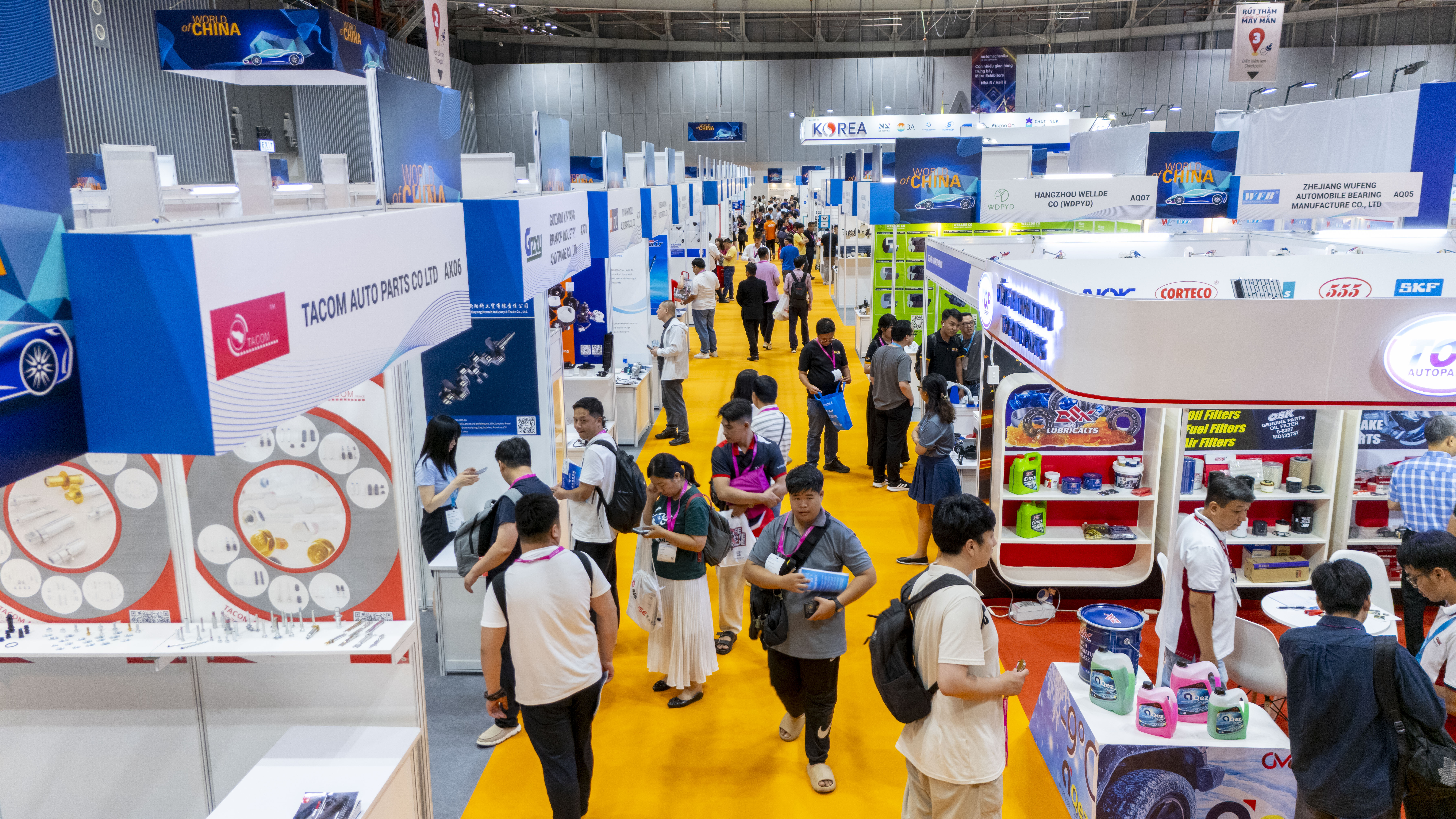
Automechanika Ho Chi Minh City 2026
- Access hands-on training at the Collision Repair Training Workshop (500+ attendees in 2025).
- Connect directly with leading global suppliers of advanced diagnostic equipment and ADAS calibration tools.
- Explore cutting-edge electrics, electronics, and e-Powertrain technologies.
- Network with 17,075 industry professionals from 48 countries and capture new opportunities in the rapidly growing automotive aftermarket in Vietnam.
When to use it: Ideal for workshop owners and technicians seeking to source certified EV tools, undergo practical training, and build partnerships. Not for retail consumers looking for individual car repairs.
Pre-Register for Free BadgeFAQs
What does transitioning to electric vehicle repair services involve? +
Transitioning to electric vehicle repair services is the process of upgrading a traditional automotive workshop's infrastructure, tools, safety protocols, and technician skills to safely diagnose, service, and repair high-voltage electric and hybrid vehicles.
What safety certifications do my technicians need for EV repair? +
Technicians require specialized high-voltage safety training (such as IMI Level 3 or equivalent) to safely de-energize, diagnose, and work on live high-voltage systems up to 1,000V.
How much space is required for a dedicated EV service bay? +
A standard service bay is sufficient, but it must be clearly demarcated with physical safety barriers, warning signs, and have at least 1.2 meters of clear space around the vehicle for safety.
Can I use my existing diagnostic tools for electric vehicles? +
While some basic OBD-II functions work, you will need advanced diagnostic scanners with dedicated EV/NEV software to read battery management systems, thermal loops, and calibrate ADAS.
Where can I source certified EV tools and receive hands-on training? +
You can source certified tools and attend live demonstrations at Automechanika Ho Chi Minh City 2026, which features dedicated zones for workshop equipment, diagnostics, and hands-on training.