The Complete Guide to Car Manufacturing & Automation (2026)
As organizers of Automechanika Ho Chi Minh City, we have spent years at the intersection of automotive production and regional supply chains. Car manufacturing automation represents the integration of robotics, AI, and smart assembly systems to optimize vehicle production. This hub is designed for OEMs, tier-1 suppliers, and factory managers seeking to navigate ASEAN's rapidly evolving industrial landscape. Below, we outline the core technologies, step-by-step processes, and strategic resources driving the future of automotive assembly. Use this guide to explore deep-dives and plan your automation roadmap.
Published by
Alex
Automotive Industry Analyst & Event Curator at Automechanika Ho Chi Minh City
What Is Car Manufacturing Automation? (Quick Definition)
Car manufacturing automation is the strategic deployment of advanced robotics, control systems, and data analytics to execute assembly, welding, painting, and inspection tasks with minimal human intervention. By replacing manual labor in high-precision or hazardous environments, it ensures consistent vehicle quality and maximizes throughput.
- Robotic Assembly: High-speed robotic arms handle heavy lifting, precise welding, and component placement.
- Smart Sensors: IoT-enabled sensors monitor machine health and track parts in real-time across the factory floor.
- AI Diagnostics: Machine learning algorithms analyze production data to predict equipment failures before they occur.
- AGVs & AMRs: Automated guided vehicles transport materials seamlessly between manufacturing cells.
Why Car Manufacturing Automation Matters in 2026
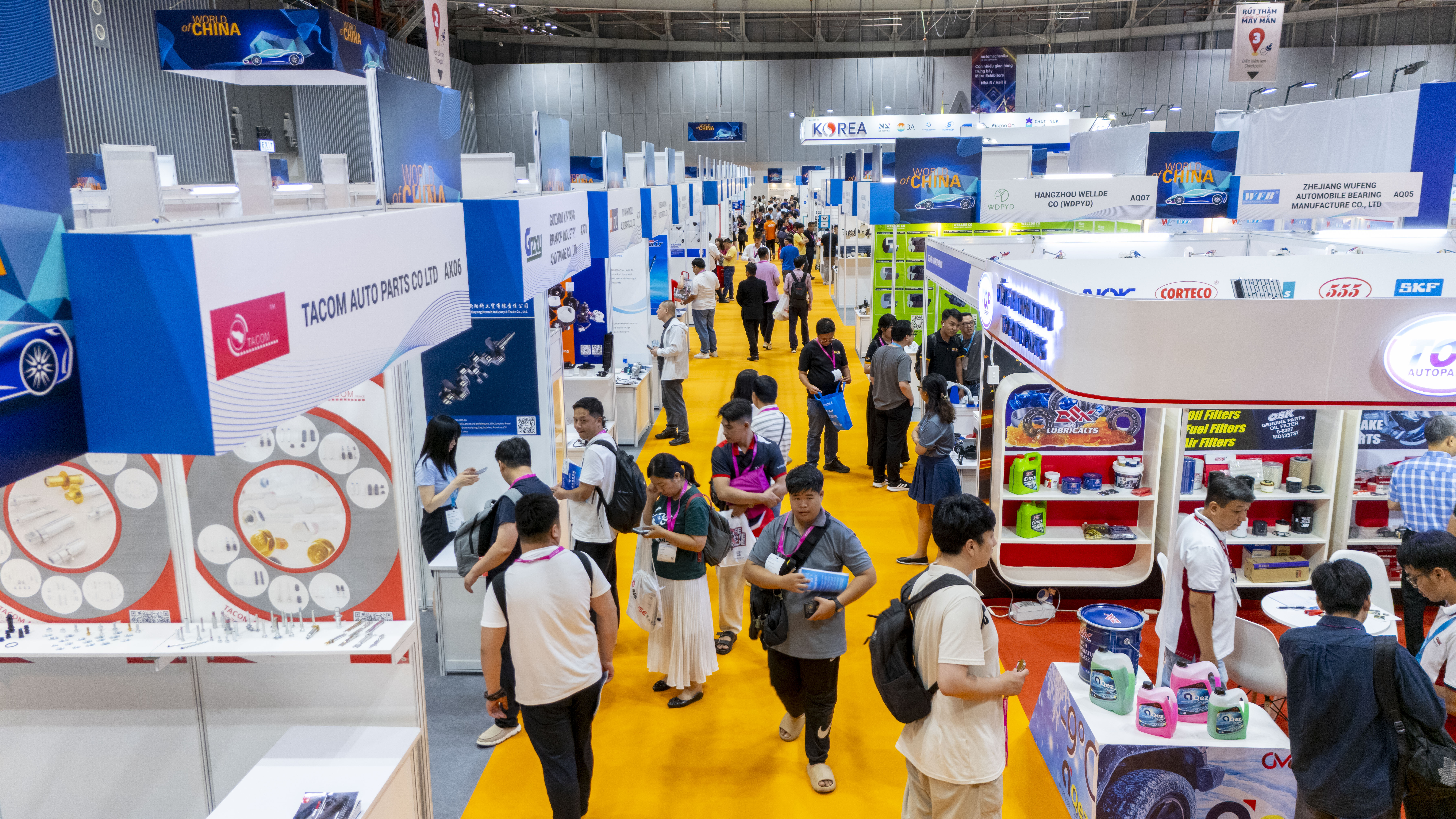
- 18,100 sqm of Innovation The scale of modern automotive exhibitions like Automechanika HCMC reflects the massive regional demand for automated production technologies.
- 401+ Exhibitors Leading the Charge Over 401 global suppliers are actively deploying smart manufacturing solutions to meet ASEAN's growing automotive needs.
- Fastest Growing EV Market Vietnam is leading the ASEAN region in electric vehicle adoption, requiring highly flexible, automated assembly lines to handle battery integration.
- 17,075 Industry Professionals The influx of over 17,000 visitors highlights the urgent need for local manufacturers to upgrade to automated systems to remain competitive.
- OEM & Aftermarket Convergence Automation is bridging the gap between original equipment manufacturing and aftermarket customization, streamlining the entire supply chain.
Automechanika Ho Chi Minh City: A Full-Industry-Chain Exhibition
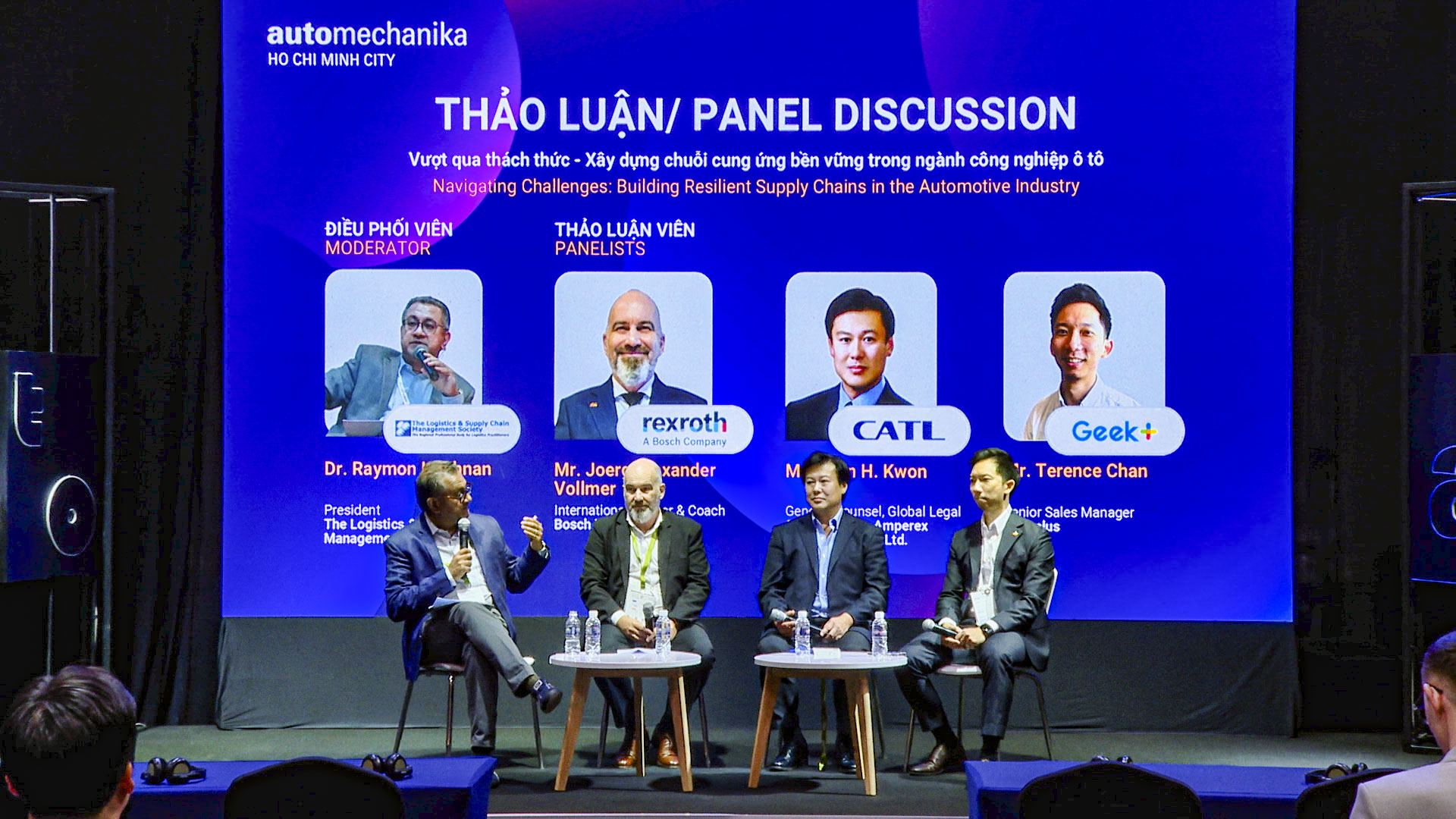
Automechanika Ho Chi Minh City will hold the 8th edition on 18 – 20 June 2026 in Ho Chi Minh City, Vietnam. It serves as a platform for business, innovation exchange, knowledge sharing, and cultural engagement across the supply chain from OEM and production to logistics and the aftermarket, both in Vietnam and globally.

Overview
Car Manufacturing Automation at a Glance (Key Concepts)
Robotic Welding
The use of automated robotic arms to perform precise spot and arc welding on vehicle frames.
Predictive Maintenance
Using IoT sensors and AI to predict when manufacturing machinery requires servicing to prevent downtime.
Machine Vision
Camera-based systems that inspect vehicle parts for microscopic defects during the assembly process.
Digital Twin Technology
Creating a virtual replica of the physical assembly line to simulate and optimize production workflows.
How Car Manufacturing Automation Works (Process Overview)
Stamping & Pressing
Raw sheet metal is automatically fed into high-tonnage presses to form the vehicle's body panels.
→ Learn about automated stampingBody-in-White Assembly
Robotic arms weld and join the stamped panels together to construct the structural frame of the car.
→ Learn about BIW automationAutomated Paint Shop
Electrostatic paint robots apply primer, basecoat, and clearcoat with absolute precision and minimal waste.
→ Learn about robotic paintingFinal Assembly & Inspection
Robots install heavy components like engines and batteries, followed by automated machine vision quality checks.
→ Learn about final assemblyCar Manufacturing Automation Use Cases
EV Battery Pack Assembly
Automating the precise placement and thermal management of battery cells in electric vehicles.
→ See howPrecision Windshield Glazing
Using robotic vision to apply adhesive and mount glass windshields perfectly every time.
→ See howChassis Marriage
The automated synchronization of the vehicle body with the powertrain and suspension system.
→ See howIn-Line Quality Inspection
Deploying high-speed cameras to verify panel gaps and paint finish consistency on the fly.
→ See howHeavy Component Lifting
Using heavy-duty industrial robots to position engines, transmissions, and seats inside the cabin.
→ See howAutonomous Parts Delivery
Deploying AMRs to deliver components from the warehouse directly to specific assembly stations.
→ See howCar Manufacturing Automation by Category
Robotics & Hardware
Heavy-duty articulated arms designed for welding, painting, and material handling.
Custom grippers, welding torches, and sensors attached to robotic wrists.
Software & Control Systems
The digital brains coordinating real-time machine movements on the line.
Software suites tracking and documenting the transformation of raw materials to finished vehicles.
Quality & Inspection
High-resolution cameras and AI models detecting microscopic defects in real-time.
Automated probes verifying physical dimensions against 3D CAD models.
Tools & Resources for Car Manufacturing Automation
| Tool / Resource | What it does | Link |
|---|---|---|
| Automechanika Ho Chi Minh City | The premier regional platform for sourcing automotive manufacturing, OEM, and automation technologies. | Register Now |
| Messe Frankfurt Exhibitor Search | Comprehensive directory of global automation suppliers and technology providers. | Search Exhibitors |
| Automechanika Themes & Events | Access to live conferences, technical workshops, and EV zone demonstrations. | View Programme |
| Vietnam EV Growth Guide | Strategic market entry and expansion insights for the ASEAN electric vehicle sector. | Read Guide |
| Automechanika Fact Sheet | Downloadable PDF containing key market statistics, visitor profiles, and venue maps. | Download PDF |
| Speaker & Sponsor Portal | Platform to apply as an industry expert speaker or event sponsor for the 2026 edition. | Apply Here |
Car Manufacturing Automation Guides & Deep Dives
Beginner Guides
-
Introduction to Automotive Robotics
A foundational look at how robots are transforming modern assembly lines.
-
Understanding PLC Programming
The basics of logic controllers and how they manage factory floor hardware.
-
The Role of Sensors in Smart Factories
How simple IoT sensors collect critical data for predictive maintenance.
Advanced Strategies
-
Vietnam EV Market Entry Strategy
Deep dive into establishing an EV manufacturing footprint in ASEAN's fastest-growing market.
-
Implementing Digital Twins
How to simulate entire production lines to eliminate bottlenecks before physical setup.
-
AI-Driven Quality Control Systems
Deploying deep learning models to automate complex visual inspections.
Comparisons & Insights
-
Automechanika HCMC vs. Generic Expos
Why a dedicated automotive platform delivers higher quality buyers and targeted networking.
-
OEM vs. Aftermarket Automation Trends
Analyzing how automation technologies differ between high-volume production and custom aftermarket shops.
Common Car Manufacturing Automation Mistakes to Avoid
-
Mistake: Over-automating too quickly
Trying to automate every single process at once leads to massive integration bottlenecks and high upfront costs.
→ See the correct approach -
Mistake: Ignoring legacy system compatibility
Purchasing state-of-the-art robots that cannot communicate with existing PLCs or MES software.
→ See the correct approach -
Mistake: Neglecting workforce training
Installing advanced automation without training operators to monitor, maintain, and troubleshoot the new systems.
→ See the correct approach -
Mistake: Underestimating data security
Connecting factory floor IoT devices to the cloud without robust cybersecurity protocols, risking production halts.
→ See the correct approach -
Mistake: Skipping predictive maintenance setup
Running automated machinery continuously without setting up sensor-based predictive maintenance schedules.
→ See the correct approach
Car Manufacturing Automation FAQs
What is car manufacturing automation? +
Car manufacturing automation refers to the integration of robotic systems, artificial intelligence, and automated control software to perform vehicle assembly tasks. This technology optimizes production speed, ensures consistent quality, and reduces human error across the automotive supply chain.
Learn more about the technology
Why is Vietnam a key hub for automotive automation in 2026? +
Vietnam is currently the fastest-expanding electric vehicle market in ASEAN. This rapid growth requires local manufacturers and OEMs to adopt advanced automation to scale production and meet international quality standards.
Read our EV market guide
What are the main benefits of automating an assembly line? +
The primary benefits include increased production throughput, enhanced worker safety by automating hazardous tasks, reduced material waste, and highly consistent product quality verified by automated inspection systems.
Explore the benefits
How does Automechanika Ho Chi Minh City support automation? +
As a full-industry-chain exhibition, Automechanika HCMC connects global automation technology providers with regional OEMs, distributors, and manufacturers looking to upgrade their facilities.
Register to attend
What is the role of AI in modern car manufacturing? +
AI is primarily used for predictive maintenance (forecasting machine failures), machine vision (automated quality control), and optimizing logistics and supply chain routing within the smart factory.
See AI use cases
Can small-to-medium enterprises (SMEs) implement automation? +
Yes, through modular automation and collaborative robots (cobots), SMEs can automate specific high-value tasks without needing to overhaul their entire production line.
Find SME solutions
Navigating the transition to automated car manufacturing requires a strategic balance of advanced hardware, integrated software, and expert industry insights. This hub serves as your comprehensive resource for understanding and implementing these transformative technologies in 2026. Whether you are looking to optimize an existing assembly line or establish a new EV production facility in Vietnam, the path forward starts with collaboration and continuous learning.
If you're looking to source cutting-edge automation tools → start here by exploring our exhibitor directory.
If you're looking to understand regional market dynamics → start here by reading our EV growth guide.